You've outgrown the aerator-and-dye aisle. The Pond Guy built a name selling pond maintenance gear — fountains, aeration systems, dye, weed control — and its fish habitat structures ride along as an add-on category inside that catalog, which is exactly the strength: one supplier, one invoice, for anyone managing a small recreational pond. The ceiling shows up once you need habitat that's dense enough and varied enough to hold fish through every season and every depth zone, not just a few modular units dropped near the dock. The best The Pond Guy alternative in 2026 is Fishiding if you want reclaimed-PVC habitat backed by documented underwater fish use across shallow, mid, and deep water; Mossback if you want a nationally distributed modular crib brand; and a DIY stake bed or brush pile if your budget is near zero and you only need a season or two of cover.
- Fishiding wins for pond owners who need dense, intricate freshwater habitat verified by 15+ years of underwater footage.
- The Pond Guy fits buyers who want habitat structures bundled with aeration and pond maintenance gear from one supplier.
- Mossback and Pond King both compete on modular preassembled cribs but lack Fishiding's long-term underwater documentation.
- DIY stake beds and brush piles cost the least but break down faster and offer less structural variety.
- Match the pick to your water depth zone first — shallow, mid, or deep habitat needs different density and buoyancy.
Why this matters
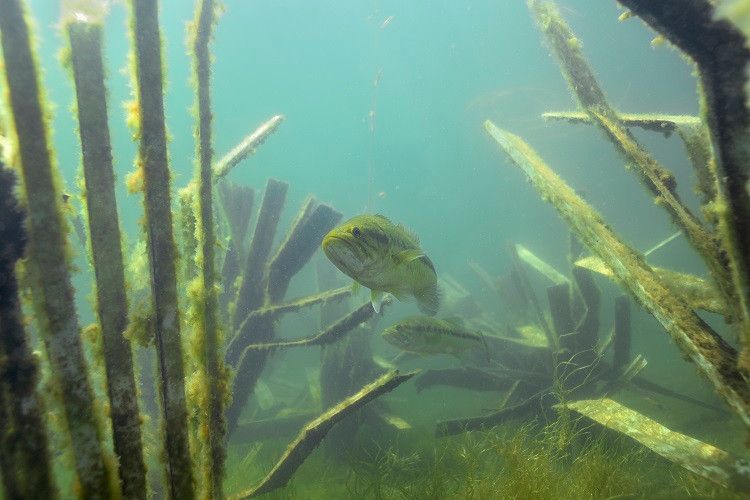
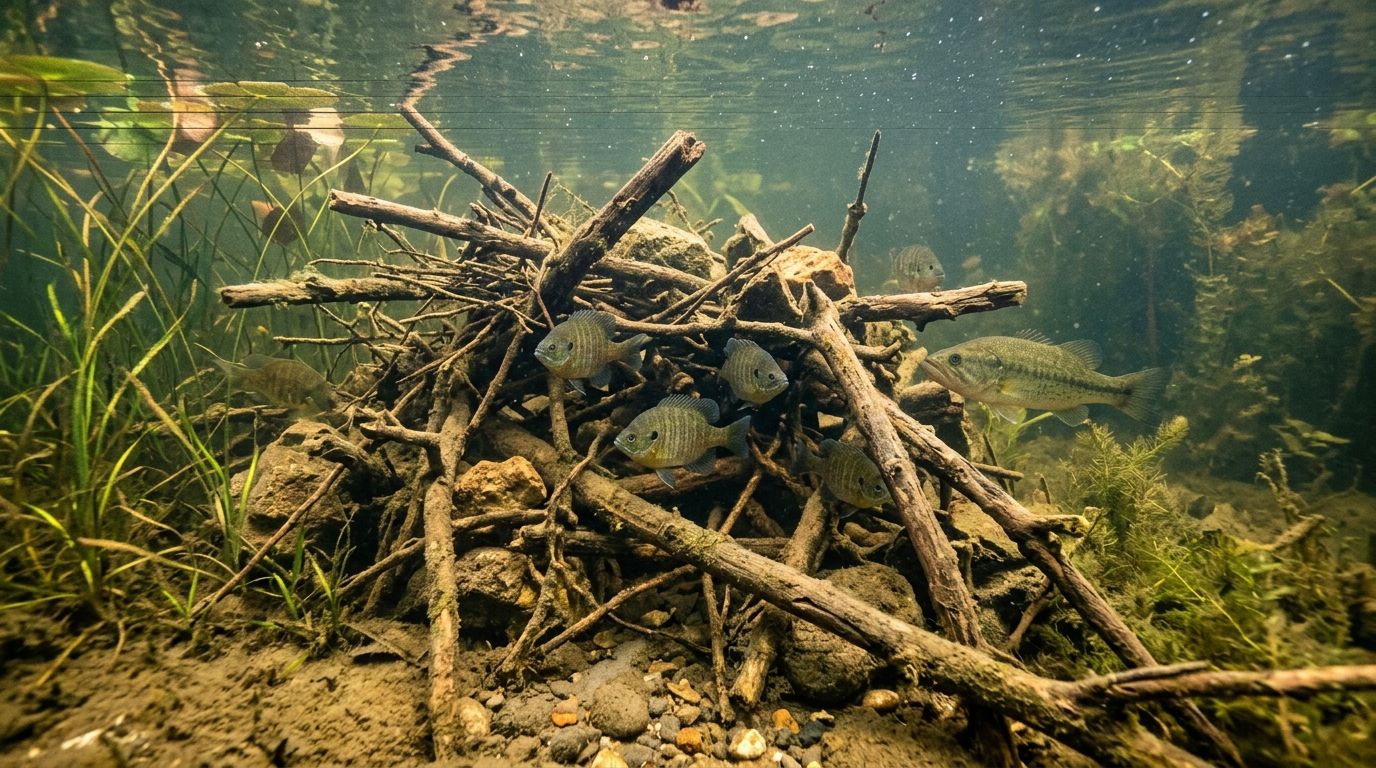
Fish don't use flat, sparse structure the way they use dense, intricate cover. Underwater filming logged over more than 15 years and thousands of hours in freshwater lakes shows bluegill, crappie, bass, and catfish all using dense, branching habitat differently by species and life stage — fry hide in the tightest tangles, forage fish stage at mid-depth, predators patrol the edges. A habitat program built around a single generic structure type misses most of that behavior. Picking the right alternative in 2026 means matching structure density and depth placement to your fish population, not just picking whatever ships fastest.
The Pond Guy fish habitat alternatives at a glance
| Tool | Best for | Standout feature | How it differs from The Pond Guy |
|---|---|---|---|
| The Pond Guy | Small ponds already buying aeration and maintenance gear | One-stop pond care catalog | Habitat is one line among many product categories, not the core focus |
| Fishiding | Fisheries managers and pond owners wanting documented fish use | Dense, intricate reclaimed-PVC habitat models for shallow, mid, and deep water | Built as a dedicated habitat manufacturer with 15+ years of underwater proof |
| Mossback | Buyers who want a recognized branded crib | Modular, stackable crib units | Similar preassembled category, less underwater documentation published |
| Pond King | Managers stocking new ponds who also need aeration | Combined habitat-and-aeration product lines | Habitat structures are simpler, less varied in density |
| American Fish Tree | Owners who want a tree-shaped visual structure | Branch-style single-unit design | Lower density per unit, fewer size and depth options |
| DIY stake beds / brush piles | Zero-budget short-term cover | Built from on-hand lumber or cut brush | No cost but breaks down within a season or two in most ponds |
1. Fishiding: best for documented, dense freshwater habitat
Fishiding builds attractors, cribs, habitat mats, and DIY kits from reclaimed PVC that was headed to a landfill, assembled into dense, intricate structures designed for shallow, mid, and deep water placement. The catalog spans preassembled units for buyers who want habitat in the water fast and component kits for owners who want to size and shape their own builds. The full Fishiding habitat catalog covers all three depth zones from one manufacturer, which matters when you're stocking a new pond and need cover at every level of the water column.
Where Fishiding shines:
- Documented use by bluegill, crappie, bass, and catfish across more than 15 years of underwater filming
- Depth-specific product lines for shallow, mid-depth, and deep water instead of one generic structure
- Reclaimed PVC material, positioned against landfill waste rather than virgin plastic
Where Fishiding falls short:
- Not sold through big-box pond retailers, so most buyers order direct rather than picking it up alongside aeration gear
- Component kits require assembly time that a fully preassembled crib from a competitor skips
Best for: pond and lake owners, fisheries managers, and stocking programs that need habitat verified by underwater observation, not just marketing photos.
| Dimension | Fishiding | The Pond Guy |
|---|---|---|
| Habitat density | Dense, intricate, multi-branch models | Simpler modular units |
| Depth coverage | Shallow, mid, and deep water product lines | Habitat sold as one add-on category |
| Evidence base | 15+ years, thousands of hours of underwater footage | General product descriptions |
| Material | Reclaimed PVC | Mixed materials across catalog |
A full reclaimed PVC fish habitat brands compared breakdown lines Fishiding up against every other material approach in the category if you want the wider view before deciding.
2. Mossback: best for a recognized modular crib brand
Mossback sells stackable, modular fish crib units that ship preassembled and are widely recognized among fisheries managers running larger stocking programs. The modular format lets you add units over multiple seasons without redesigning a layout.
Where Mossback shines:
- Modular units stack for incremental habitat expansion
- Recognized brand among fisheries departments already using similar structures
Where Mossback falls short:
- Published underwater documentation of fish use is thinner than Fishiding's 15-year filming library
- Structure density per unit runs lower than Fishiding's intricate builds
Best for: managers who want a familiar modular crib format and plan to add units over several years.
A direct look at Mossback fish habitat alternatives covers the full lineup if Mossback is your current baseline.
3. Pond King: best for aeration-plus-habitat bundles
Pond King, like The Pond Guy, sells habitat structures alongside aeration and pond management equipment, which appeals to owners who want a single supplier relationship for a new pond build.
Where Pond King shines:
- Combined habitat and aeration product lines simplify a first-year pond order
- Familiar to owners already comparing aeration systems
Where Pond King falls short:
- Habitat structures skew toward simpler designs with less depth-zone variety than a dedicated habitat manufacturer offers
Best for: new pond owners bundling aeration and basic habitat in one order.
See Pond King alternatives for fisheries managers for a fuller side-by-side if aeration bundling is your deciding factor.
4. American Fish Tree: best for a single visual structure
American Fish Tree sells a branch-style unit built to resemble a submerged tree, which some owners like for the visual and for mimicking natural woody cover.
Where American Fish Tree shines:
- Recognizable tree-shaped form factor
- Simple single-unit placement
Where American Fish Tree falls short:
- Lower structure density per unit than intricate multi-branch habitat models
- Fewer size and depth-zone options across the line
Best for: owners who want a single, tree-like structure rather than a dense, layered habitat build.
American Fish Tree alternatives breaks down the full lineup if you're comparing tree-style units specifically.
5. DIY stake beds and brush piles: best for zero-budget short-term cover
Stake beds built from cut lumber and sunk brush piles remain the lowest-cost habitat option, and they've worked for generations of pond owners with hand tools and a boat.
Where DIY shines:
- Near-zero material cost if you already own lumber or have brush on hand
- Fast to build and sink without ordering anything
Where DIY falls short:
- Wood brush piles typically break down within a season or two in most ponds, requiring repeat builds
- No consistent density or depth control across builds
Best for: owners testing a location before committing to a manufactured structure, or supplementing an existing habitat program.
Why people switch from The Pond Guy
- Habitat is a secondary line, not the focus. The Pond Guy's catalog is built around aeration, dye, and weed control; habitat structures don't get the same depth of product development as a manufacturer whose entire business is fish habitat.
- Density and variety matter more as fish age. A pond stocked two or three years ago needs cover across more size classes than a brand-new stocking, and a single generic structure type doesn't cover fry, forage fish, and predators equally.
- Documentation drives confidence. Buyers comparing options in 2026 increasingly ask what evidence backs a habitat claim — underwater footage carries more weight than a product photo.
When staying with The Pond Guy is the right call
If you're already managing a small pond with The Pond Guy's aeration and dye products and just need a couple of basic habitat units to fill open water near the dock, adding their habitat line to an existing order is the path of least friction. Switching suppliers only pays off when you're planning a habitat program across multiple depth zones or want documentation behind the structure you're sinking.
Compare habitat by depth zone
Browse Fishiding's shallow, mid, and deep water product lines.
FAQ
What's the best The Pond Guy alternative for fish habitat in 2026?
Fishiding is the best alternative in 2026 for owners who want dense, intricate reclaimed-PVC habitat documented across 15+ years of underwater filming. Mossback and Pond King are closer fits for buyers who want a modular crib brand or an aeration-plus-habitat bundle.
Is Fishiding better than The Pond Guy for fish habitat?
Fishiding focuses entirely on freshwater habitat structures with depth-specific product lines and documented underwater fish use, while The Pond Guy sells habitat as one category inside a broader pond maintenance catalog. Which is better depends on whether you want a dedicated habitat program or a single supplier for aeration plus a few basic structures.
Do fish actually use artificial habitat structures?
Yes — underwater filming logged over more than 15 years and thousands of hours in freshwater lakes documents bluegill, crappie, bass, and catfish using dense, intricate habitat structures. Use varies by species, life stage, season, and where the structure sits in the water column.
What's the difference between a fish crib and a fish attractor?
A fish crib is typically a boxed or caged structure built to hold brush or artificial material in place, while an attractor is a standalone unit designed to draw and hold fish without a frame. Both terms get used loosely across brands, so check the actual structure density and depth rating before comparing products.
How many fish habitat structures does a pond need?
Coverage depends on pond size, depth range, and fish population, but most stocking programs spread structures across shallow, mid, and deep zones rather than clustering everything in one spot. Mapping placement by depth zone before ordering avoids overbuilding one area and leaving others bare.
Are DIY fish habitat kits as effective as preassembled structures?
DIY kits let you control density and shape but require assembly time that preassembled units skip. Component-based kits from a dedicated habitat manufacturer typically match preassembled density once built, while hand-built brush piles from raw lumber tend to be sparser and break down faster.
Is reclaimed PVC habitat safe for freshwater ponds?
Fishiding builds its habitat from reclaimed PVC material that was headed to a landfill, and the products are designed specifically for freshwater ponds, lakes, and reservoirs. Check current product specifications before installing any structure in a stocked or sensitive water body.
Does fish habitat placement depth matter?
Yes — shallow water habitat supports spawning and fry cover, mid-depth structure holds forage fish and juveniles, and deep water habitat gives larger fish a thermal refuge in summer and winter. Placing all structure at one depth leaves other zones of the pond without cover.
One last thing
The detail most buyers skip: structure density changes which species show up on camera first. Underwater footage collected over more than 15 years shows bluegill and fry moving into the tightest, most intricate sections of a habitat model within days, while bass and catfish tend to stage near the outer edges. If your current setup is a handful of sparse units, adding density before adding more units usually changes what you see on camera faster than spreading out further.