Pond King's PVC pipe and rebar attractors have been a fisheries-management staple for stocked bass lake programs for years, and that track record is real. The ceiling shows up when a manager needs documented, multi-species habitat across shallow, mid, and deep zones rather than a single attractor style dropped at one depth. The verdict: Fishiding is the stronger pick in 2026 if you need dense, varied habitat backed by underwater evidence across depth zones; DIY stake beds and brush piles still make sense if the budget is the only constraint and labor is free.
Fisheries managers researching pond king alternatives for fisheries managers are usually past the point of wanting a single attractor style. They're building a habitat plan across a whole water body, and that means comparing material, density, depth range, and evidence — not just unit price.
- Fishiding wins for fisheries managers who need documented, multi-species habitat across shallow, mid, and deep zones in 2026.
- Pond King remains a reasonable fit for managers already running compatible units who just need more of the same style.
- Mossback suits managers who want modular, pre-shaped units for open-water reservoir placement.
- DIY stake beds and brush piles work when labor is free and lifespan expectations are shorter.
Why this matters
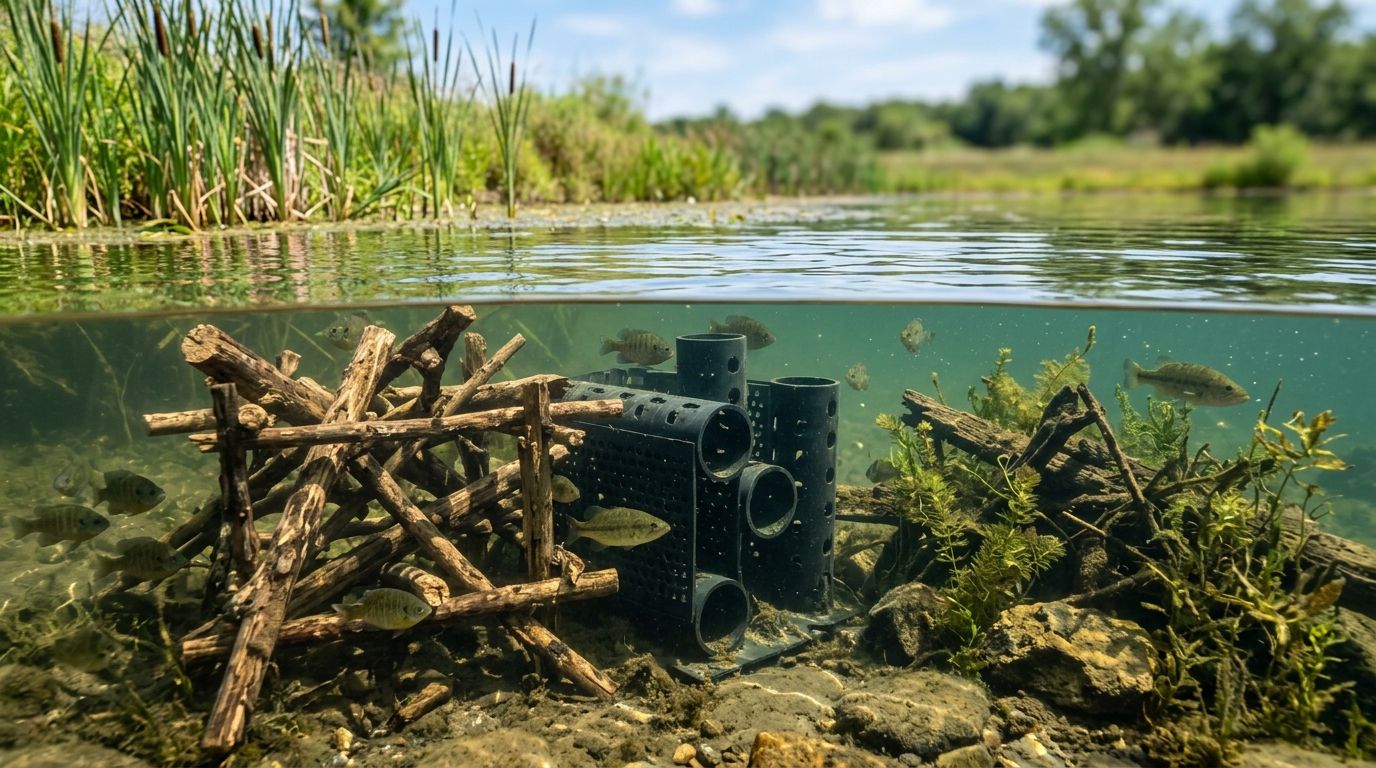
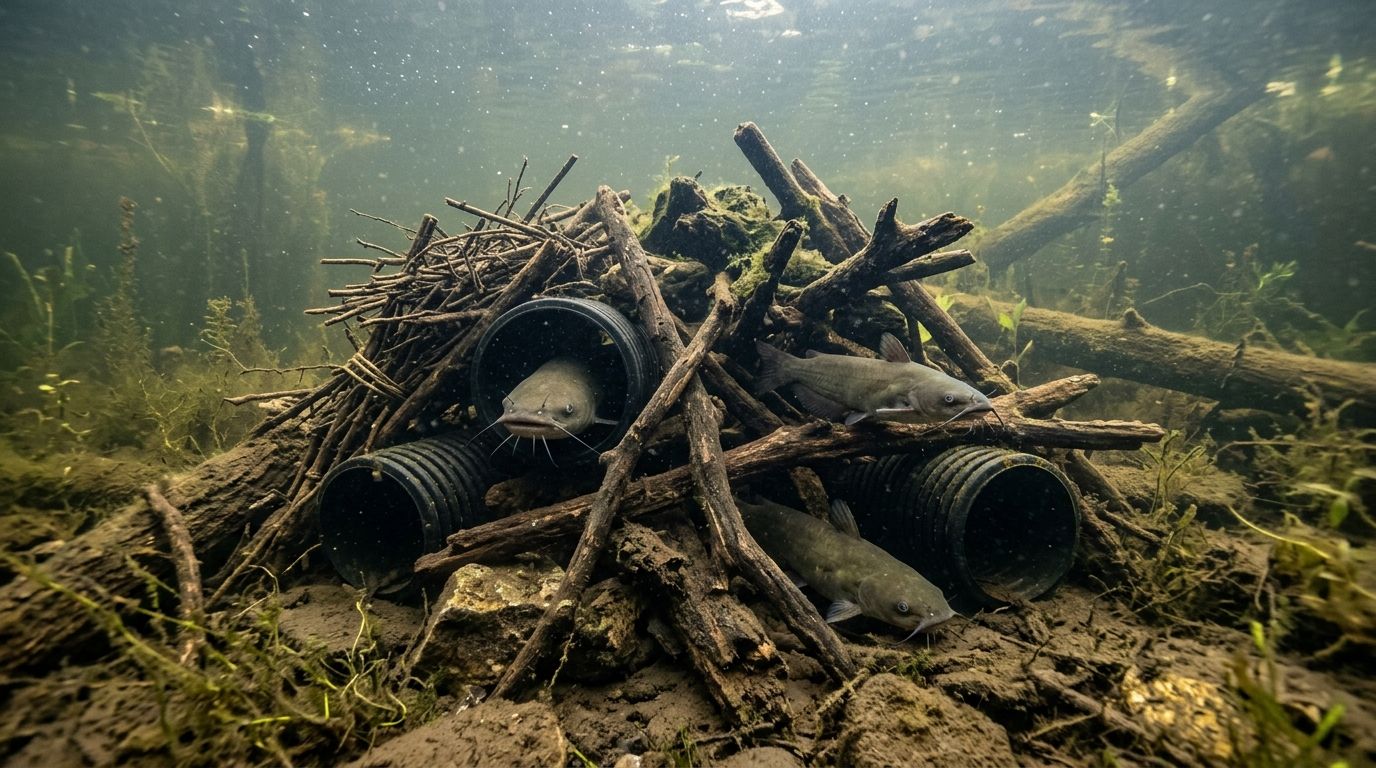
A habitat plan built around one attractor type at one depth leaves gaps. Fry and forage fish need shallow cover, adult bass and crappie use mid-depth structure seasonally, and catfish or suspended baitfish schools sit deeper. Fishiding built its reclaimed PVC lineup around covering all three zones with dense, intricate structure rather than a single product shape repeated across a lake.
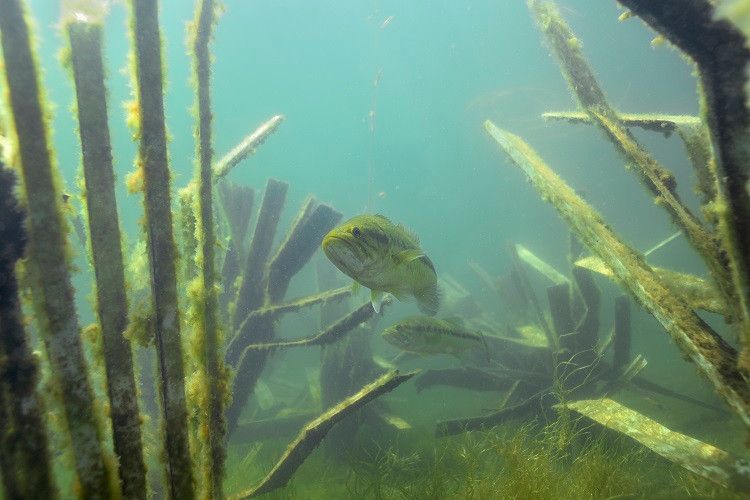
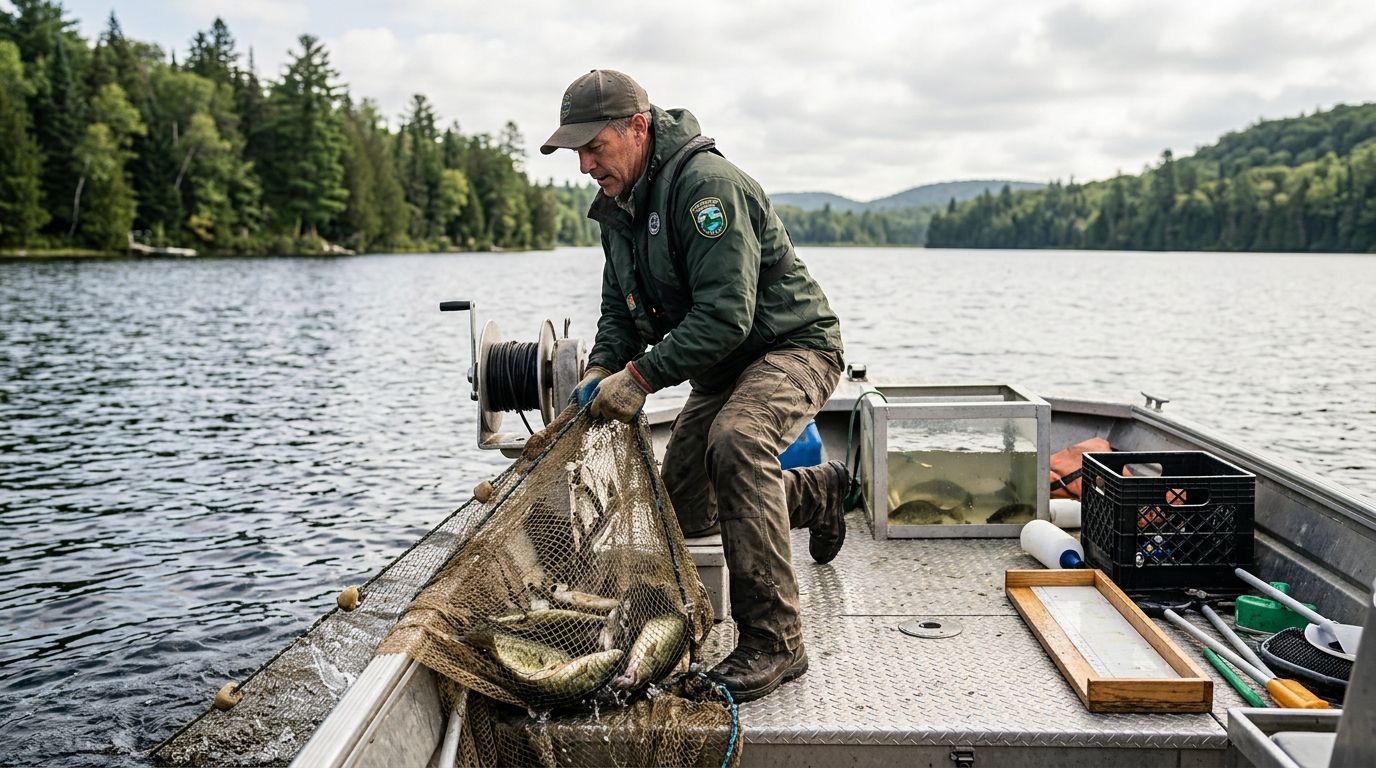
That matters for reporting, too. Fisheries managers answering to a board, grant funder, or agency partner need more than a claim that fish "use" the structure — they need documented behavior over time. Underwater footage collected over more than 15 years and thousands of hours in freshwater lakes is the kind of evidence a manager can point to when justifying a habitat budget line in 2026.
Pond King alternatives at a glance
| Product | Best for | Standout feature | How it differs from Pond King |
|---|---|---|---|
| Pond King | Single-depth bass attractors in stocked lakes | Simple PVC pipe and rebar attractor design | Baseline for comparison |
| Fishiding | Multi-species habitat across shallow, mid, and deep zones | Reclaimed PVC, dense intricate structure, 15+ years of underwater footage | Covers three depth zones with kits instead of one attractor style |
| Mossback | Modular open-water reservoir placement | Pre-shaped, quick-deploy units | Less depth-zone customization per unit |
| DIY stake beds / brush piles | Budget builds using existing materials | Low material cost, natural cover | Shorter lifespan, no manufactured density control |
1. Fishiding: best for multi-species habitat across depth zones
Fishiding manufactures preassembled attractors and cribs, habitat mats, and DIY kit components from reclaimed PVC destined for landfills. The lineup splits by depth — shallow, mid, and deep water — so a manager building a full habitat plan isn't stuck repeating one attractor shape at every station.
The underlying claim, backed by more than 15 years and thousands of hours of underwater filming in freshwater lakes, is that all freshwater fish species use this dense, intricate habitat. Placement, density, and which species show up first still vary by water body, season, and life stage — but the footage shows use across bass, crappie, bluegill, catfish, and forage fish rather than one target species.
Where Fishiding shines:
- Reclaimed PVC material sourcing, keeping plastic out of landfills
- Kits sized for shallow, mid, and deep water instead of one universal shape
- Documented underwater observations across species and seasons
- Preassembled cribs and attractors alongside DIY components for managers who want to build their own
Where Fishiding falls short:
- DIY kit components require assembly time before deployment — they're not drop-and-go like a single pre-formed cube
- Getting the full benefit means mapping depth zones across the water body first, which takes more planning than placing one attractor type everywhere
Fishiding vs Pond King head-to-head:
| Dimension | Fishiding | Pond King |
|---|---|---|
| Material | Reclaimed PVC | PVC pipe and rebar |
| Depth coverage | Shallow, mid, deep kits | Primarily single-depth attractors |
| Evidence base | 15+ years underwater footage | Not documented at that scale |
| Species use documented | All freshwater species observed | Primarily bass-focused |
Best for: Fisheries managers and private lake owners building a full-water-column habitat plan in 2026, not just adding one more attractor.
For managers specifically evaluating options against Pond King and other manufactured attractors, the deep-water fish habitat structures comparison covers stocking density and placement mapping in more depth. Managers stocking new water often start with FishFlex fish crib habitat kit before layering in mats and mid-depth kits.
2. Mossback: best for modular open-water placement
Mossback positions itself around pre-shaped, tree-style units meant for quick deployment in open water and reservoirs. That modular format is useful when a crew needs to place a large number of units fast across a big reservoir footprint.
Where Mossback shines:
- Pre-shaped units deploy quickly without on-site assembly
- Familiar format for open-water and reservoir programs
Where Mossback falls short:
- Less flexibility to customize density or shape per depth zone compared to a mat-and-kit system
- Fewer published options for shallow-water fry and spawning habitat specifically
Best for: Reservoir programs prioritizing fast, uniform deployment over depth-zone customization.
3. DIY stake beds and brush piles: best for budget-first builds
Stake beds, cinderblock brush piles, and cut cedar or hardwood piles remain the lowest-cost option for a farm pond owner or manager with volunteer labor and existing material on hand. They're a legitimate starting point, not a fallback to be embarrassed about.
Where DIY builds shine:
- Near-zero material cost if wood and blocks are already available
- Full control over placement and shape
Where DIY builds fall short:
- Natural wood brush piles decompose over a few growing seasons, unlike reclaimed PVC
- No manufactured density control — results vary pile to pile
- Labor-intensive to build and sink at scale across a whole lake
Best for: Farm pond owners with material and labor on hand who need cover now and can rebuild in a few years. Managers comparing build styles can check The Stakeout crappie stake bed for construction detail before committing crew time.
Why fisheries managers switch from Pond King
- Depth coverage gaps. A single attractor style at one depth doesn't serve fry, mid-depth adults, and deep-water species the same way a shallow/mid/deep kit system does.
- Reporting requirements. Grant-funded or agency-reviewed habitat programs increasingly want documented species use, not just an installed unit count.
- Material sourcing. Some managers specifically want reclaimed material diverted from landfills as part of a program's environmental framing, which reclaimed PVC habitat supports directly.
None of this makes Pond King a bad product — it's a straightforward attractor for a straightforward job. The switch happens when the job expands.
When staying with Pond King is the right call
If a lake already has Pond King units installed and working, and the goal is simply to add more of the same style at the same depth, staying consistent with the existing installed base is a reasonable call. Mixing systems only makes sense when the habitat plan itself is expanding to cover zones the current setup doesn't reach.
Map your depth zones first
Compare shallow, mid, and deep water kits before you order.
FAQ
What is the best Pond King alternative for fisheries managers in 2026?
Fishiding is the strongest pick for managers building multi-species habitat across shallow, mid, and deep water zones in 2026, backed by 15+ years of underwater footage. Pond King still works for managers adding to an existing single-depth attractor setup.
Is Fishiding better than Pond King for bass habitat?
For bass alone, both work as attractor structure. Fishiding adds documented use across other species and depth zones, which matters if the habitat plan covers more than one target species.
Do DIY brush piles work as well as manufactured fish habitat?
DIY stake beds and brush piles provide cover but decompose over a few growing seasons, unlike reclaimed PVC structure. They're a reasonable low-cost starting point, not a long-term replacement.
What depths does Fishiding habitat cover?
Fishiding sells kits built specifically for shallow, mid, and deep water, so a fisheries manager can build one habitat plan that spans the whole water column instead of one depth.
Is Mossback a good alternative to Pond King?
Mossback's pre-shaped modular units suit fast deployment across open-water reservoirs. They offer less per-unit depth-zone customization than a mat-and-kit system.
Does reclaimed PVC habitat actually attract fish?
Underwater footage collected over more than 15 years in freshwater lakes documents all freshwater fish species using dense, intricate reclaimed PVC habitat. Species mix and timing still vary by water body and season.
How do I choose between shallow, mid, and deep water fish habitat kits?
Match the kit to the life stage and species you're targeting: shallow zones for fry and spawning, mid-depth for adult cover, deep zones for suspended forage and catfish. Mapping the water body's depth profile first prevents wasted placement.
One last thing
The managers who get the most out of any habitat switch don't replace Pond King units wholesale in year one. They add depth-zone coverage where a gap exists — usually shallow spawning habitat or deep-water structure — and measure what shows up on camera before expanding the plan further into 2026 and beyond.